Design
Designing Properties for Modern Lifestyles
Discover the essential design elements that define luxury homes, blending elegance, functionality, and timeless appeal.
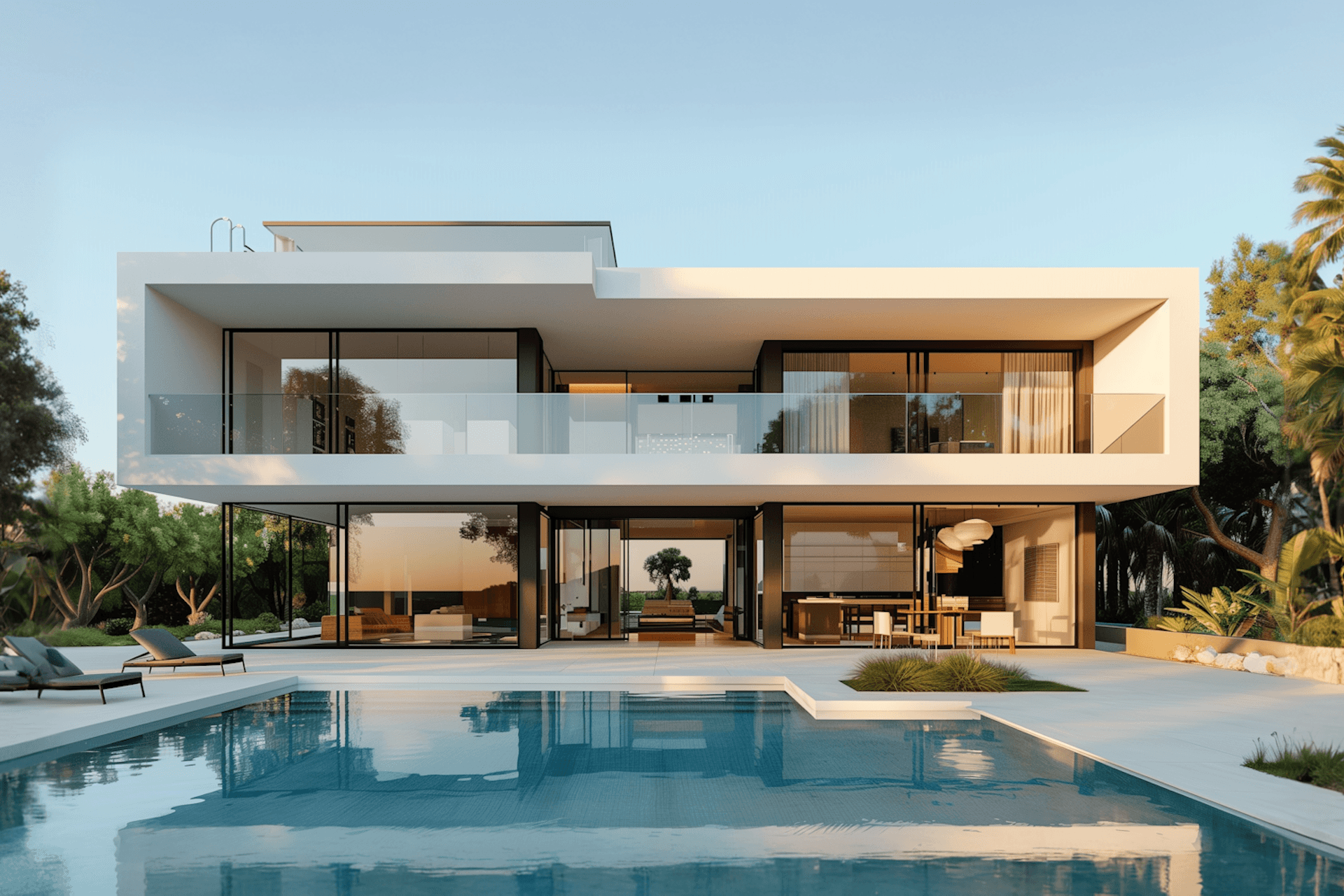
Modern lifestyles are evolving faster than ever before. The way people live, work, and interact with their homes has changed dramatically over the last decade, and property design is at the heart of this transformation. Today’s homes are no longer just spaces for living — they are flexible environments that need to balance comfort, technology, wellness, and sustainability. For property owners and investors, understanding these design shifts is key to staying relevant and meeting the expectations of tenants and buyers.
Multifunctional Living Spaces
One of the biggest changes in property design has been the demand for multifunctional spaces. With remote and hybrid work becoming the norm, people expect homes that can seamlessly double as offices, gyms, or creative studios. Open-plan layouts, modular furniture, and convertible rooms are increasingly popular, allowing residents to adapt their space to fit their lifestyle. This flexibility doesn’t just make homes more livable — it also increases property value by appealing to a wider demographic.
Wellness-Focused Design
Health and wellbeing have become central to property design. Natural light, good ventilation, and biophilic design elements such as indoor plants or green walls are no longer luxuries but essentials. Developers and property managers are also prioritizing wellness amenities, from meditation corners to fitness spaces, ensuring that properties support a balanced lifestyle. Homes that promote mental and physical health are in high demand, particularly among younger generations who view wellness as part of their daily routine.
Technology-Driven Living
Technology is another powerful driver shaping modern homes. Smart home systems — from lighting and climate control to security and entertainment — are now expected by many tenants. These features not only improve convenience but also enhance efficiency, helping residents reduce energy use and live more sustainably. For property managers, technology enables smoother operations, predictive maintenance, and better tenant experiences, making properties more attractive in a competitive market.
Sustainability in Design
Modern tenants and buyers are increasingly eco-conscious, making sustainability a key design consideration. Energy-efficient appliances, solar power integration, and sustainable building materials are quickly becoming standard. Even small details, like water-saving fixtures and recycled finishes, can make a property stand out. Properties that embrace eco-friendly practices not only lower costs for residents but also align with global trends toward greener living, making them long-term investment winners.