Lifestyle
How Modern Lifestyles Are Transforming Property Design
Explore how modern lifestyles, technology, and sustainability are reshaping the way we design and experience property today.
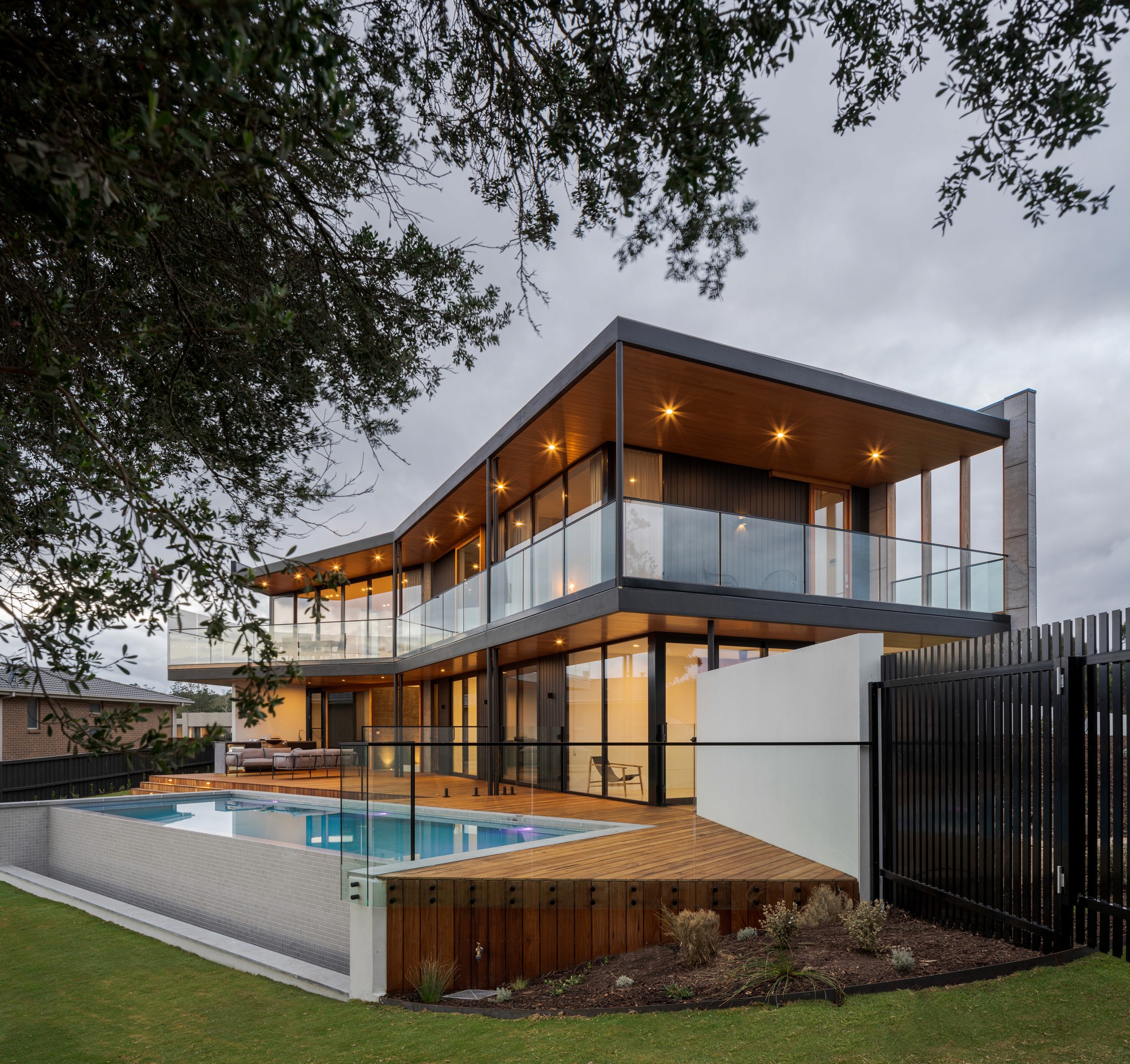
The Evolution of Modern Property Design
Modern lifestyles are evolving faster than ever before. The way people live, work, and interact with their homes has changed dramatically over the last decade, and property design is at the heart of this transformation. Today’s homes are no longer just spaces for living — they are flexible environments that need to balance comfort, technology, wellness, and sustainability. For property owners and investors, understanding these design shifts is key to staying relevant and meeting the expectations of tenants and buyers.
Multifunctional Living Spaces
One of the most significant changes in modern property design is the growing demand for multifunctional spaces. As remote and hybrid work continue to reshape daily routines, people now expect their homes to serve multiple purposes — from offices and gyms to creative studios and social hubs.
Designers are embracing open-plan layouts, modular furniture, and flexible partitions that allow spaces to adapt to different activities throughout the day. This adaptability not only enhances comfort but also boosts property value, appealing to a broader market of renters and buyers seeking versatile living solutions.
Wellness-Focused Design
Health and wellbeing are no longer afterthoughts — they’re central to how modern homes are conceived. Natural light, cross-ventilation, and biophilic elements such as indoor gardens or natural textures are increasingly integrated into living spaces.
Developers and property managers are also including wellness amenities like yoga decks, quiet zones, and fitness corners to promote a balanced lifestyle. This focus on wellbeing particularly resonates with younger generations who view mental and physical health as part of their everyday routine. Homes that nurture wellness ultimately create happier, longer-term residents.
Technology-Driven Living
Technology is redefining convenience and efficiency in residential spaces. Smart home innovations — from voice-activated lighting and climate control to app-based security systems — have transitioned from luxury features to standard expectations.
For residents, these technologies simplify life and reduce energy waste; for property managers, they streamline maintenance and improve tenant satisfaction. Tech-enabled living not only enhances the user experience but also strengthens a property’s market appeal and operational sustainability.
Sustainability in Design
Eco-conscious design is no longer optional — it’s essential. Tenants and buyers are increasingly prioritizing energy efficiency, renewable energy integration, and sustainable materials when choosing where to live.
Developments featuring solar power, water-saving fixtures, and recycled finishes stand out in today’s market. Beyond reducing environmental impact, these features help lower utility costs and signal long-term value for investors. Sustainability has become both an ethical commitment and a competitive advantage in property design.
Final Thoughts
The future of property lies in adaptability, health, innovation, and environmental responsibility. By embracing these principles, developers and investors can ensure their projects meet the evolving needs of modern residents while contributing to a more sustainable and connected world.